
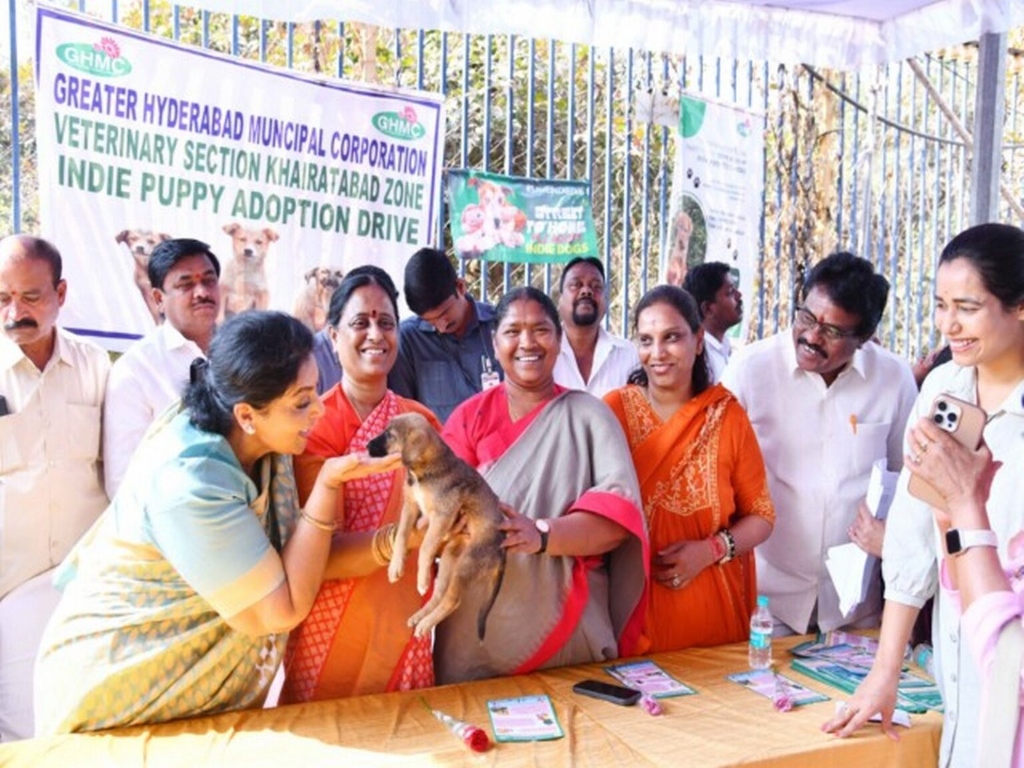
Moving beyond informal WhatsApp rescues toward verified identity, clinical baselines, and legal custody transfer
Executive Summary
Across Indian urban centers, the advocacy slogan "Adopt, Don't Shop" has captured widespread cultural awareness. Yet, in practice, companion animal adoption consistently hits an operational ceiling.
Every year, thousands of native Indian Indies and abandoned dogs linger in informal foster networks or on urban streets, while prospective pet parents continue purchasing puppies from unregulated backyard breeders.
This disconnect is not caused by a lack of public empathy—it is a system and opportunity problem. When adoption workflows are scattered across ephemeral WhatsApp forwards, Instagram stories, and ad-hoc arrangements, prospective families are forced to navigate clinical uncertainty, unverified vaccination histories, and an absence of formal documentation.
This brief examines how developing a pure-play digital adoption and foster infrastructure establishes the transparency needed to scale ethical adoptions and systematically weaken the market for illegal commercial breeding.
1. The Social Media Bottleneck in Indian Rescues
Grassroots animal rescuers and independent foster volunteers in cities like Hyderabad perform critical front-line rescue work. However, coordinating adoptions through social media channels introduces structural vulnerabilities:
The Operational Gaps in Informal Adoptions
The Adopter's Risk
- •Zero verifiable medical history
- •Fear of undocumented illness
- •No legal birth or identity card
- •Informal, verbal handoffs
The Rescuer's Deficit
- •Managing placements over WhatsApp
- •Manual paper record keeping
- •High emotional and administrative burnout
- Information Asymmetry & the "Hidden Sickness" Hesitation:
First-time adopters frequently hesitate to adopt from informal posts because there is no standardized clinical record. In the absence of a documented age estimate, deworming history, or verified Anti-Rabies Vaccination (ARV) record, families worry about taking in a pet with latent infections. - The Documentation Deficit for Native Indies:
While commercial purebred dogs are sold with the perception of documentation (such as microchips or paper pedigrees), rescued native Indian Indies are given no formal identification, recorded birth date, or official registry. This lack of documentation creates an artificial hierarchy that diminishes the appeal of adopting. - The Accountability Gap:
When adoptions occur informally without legal custody transfers, there is no permanent audit trail. If an adoptive family subsequently neglects or abandons the animal, there is no verified custodian record to hold them accountable.
2. How Unregulated Backyard Breeding Capitalizes on the Void
Illegal puppy mills do not succeed because consumers prefer exploited animals; they succeed because they offer transactional convenience and perceived certainty.
- The Illusion of Transactional Ease: An unlicensed backyard breeder provides a puppy immediately with a physical vaccination booklet.
- The Delayed Consequences: When the animal develops congenital defects from inbreeding or severe viral infections within weeks, the seller vanishes, and the financial burden falls entirely on the family or municipal shelters.
- The Solution: Moral appeals alone cannot compete with convenient commerce. To shut down backyard puppy mills, the adoption ecosystem must offer an institutionally superior, transparent, and digitally verified alternative.
3. The Pure-Play Software Solution: The Kennel & PetEYE Architecture
Under KR PET EYE LLP, the digital ecosystem—comprising The Kennel (thekennel.peteye.pet) and PetEYE (peteye.pet)—provides the software infrastructure that replaces informal messaging with structured adoption pipelines:
A. Document Parity: The PetEYE Digital Birth Certificate
Every rescued animal onboarded through The Kennel network is issued an official Digital Birth Certificate anchored by a unique PetEYE Identifier (UID). This gives native Indian Indies equal standing with registered companion animals, recording:
- An official certified birth date (estimated via standard veterinary dentition checks).
- Distinct physical identifiers and multi-angle photographs.
- Linked ISO microchip details (where implanted).
B. Transparent, Standardized Clinical Wallets
Instead of relying on misplaced paper cards, attending veterinarians log routine clinical events—including rabies immunizations, core boosters, deworming, and surgical sterilization (Animal Birth Control)—directly into the animal's permanent digital timeline. Adopters can review this verified ledger before taking an animal home.
C. Audited Digital Custodianship Transfer
When an adoption is finalized, primary legal custody transfers from the rescue network to the adoptive family via mobile OTP. The complete medical history transfers directly to the adopter’s digital wallet, creating a transparent chain of custody that discourages secondary abandonment.
D. Foster Network Coordination Tools
The Kennel equips independent rescue groups and shelters with software tools to track which foster home is caring for an animal, schedule vaccination reminders, and coordinate adoption availability without chaotic message threads.
4. Strategic Impact on Municipal and Civic Governance
Structuring the adoption pipeline delivers concrete public health and civic outcomes:
- Lowering Urban Stray Densities: Streamlining adoptions moves more animals out of community territories and into structured, licensed homes.
- Accelerating Rabies Elimination (NAPRE 2030): Ensuring every adopted animal enters its new home with a verified Anti-Rabies Vaccination record directly supports national public health targets.
- Reducing Municipal Burden: Shifting street dogs into documented domestic custody decreases human-canine conflicts and relieves financial pressure on municipal animal control programs.
Conclusion
Transforming companion animal welfare in India requires replacing emotional crisis appeals with dependable, institutional software.
By building the digital infrastructure that connects rescuers, veterinarians, foster caregivers, and prospective families, KR PET EYE LLP ensures that adopting a companion animal is transparent, documented, and reliable—providing a sustainable pathway to eliminate the demand for illegal backyard breeding.
For institutional collaboration, shelter onboarding, or foster network inquiries, contact KR PET EYE LLP at:corporate@krpeteyellp.com
Koushik Gaja
Managing Partner, KR PET EYE LLP
Koushik leads the strategic development of digital civic infrastructure for companion animal welfare in India. As Managing Partner, he focuses on bridging the gap between municipal public health policy, veterinary ecosystems, and scalable technological enforcement.
