CIVIC COMPLIANCE10 NOV 20264 min read

Ensuring CCSEA Sourcing Legality via Digital Identity

Koushik GajaIndiaDistribution: Government Regulators, Supply Chain Auditors & Bio-Research Executives
Verified Identity Pet Sourcing

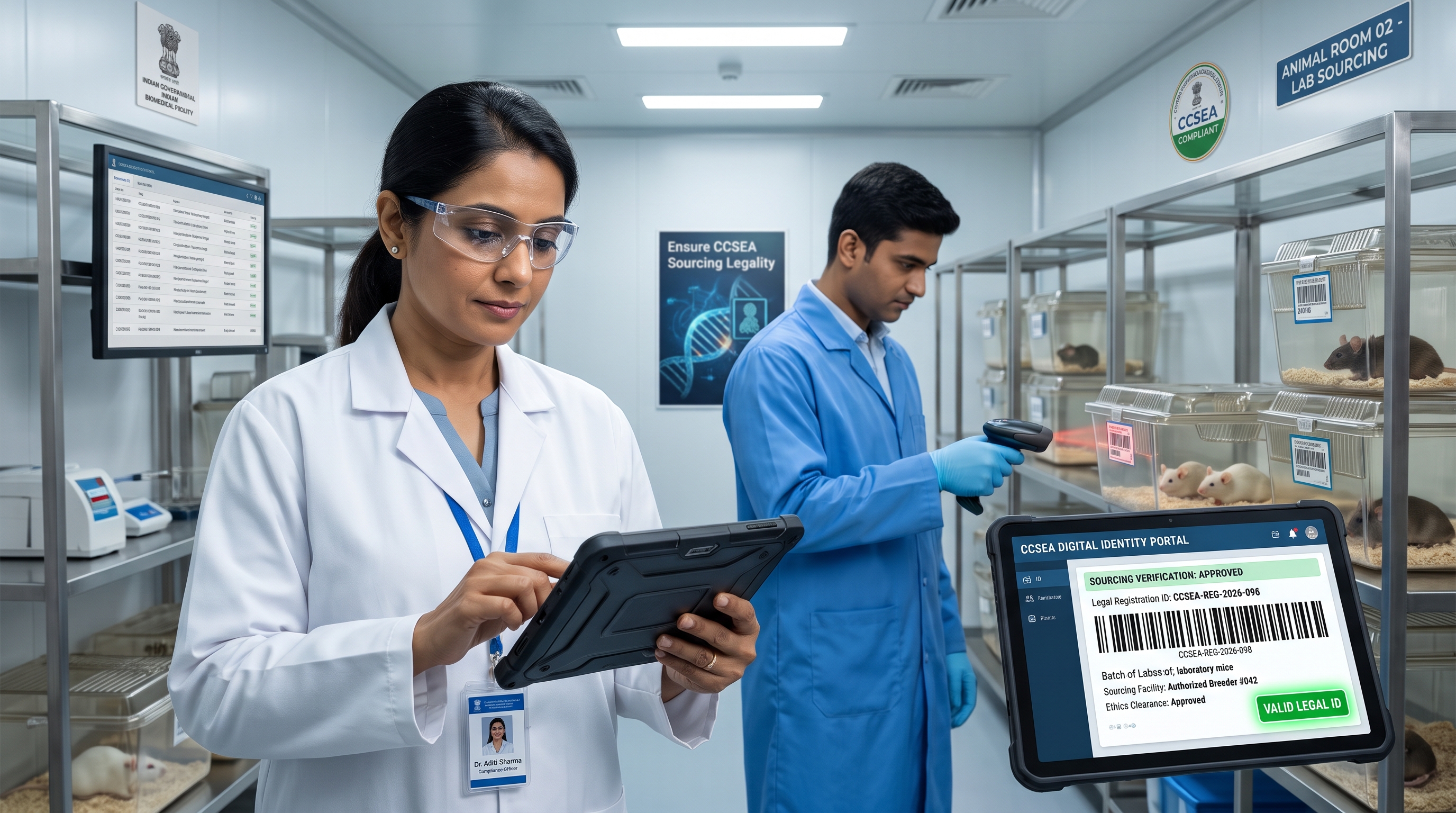
The public debate surrounding the draft Prevention of Cruelty to Animals Rules, 2026 highlights the necessity of establishing clear consensus between industry velocity and public accountability regarding supply chain operations. While decentralized approval models optimize administrative timelines, verifying the legal and ethical origin of research subjects at the facility gate presents a critical operational challenge. Verifiable digital identities resolve this compliance vulnerability. By introducing a point-of-origin digital ledger with automated intake verification locks, this framework permanently secures laboratory supply chains against undocumented tracking anomalies, protecting the global export value of domestic clinical data while maintaining absolute operational autonomy.

Sourcing Vulnerabilities in Decentralized Logistics

The shift toward internal, institutional clearances under decentralized frameworks creates significant supply chain volatility at the facility perimeter. As established in Monitoring Data Under New CCSEA Animal Testing Rules, manual self-reporting introduces distinct structural blind spots that leave laboratory supply chains exposed to critical verification gaps:


i. The Sourcing Verification Deficit: Imagine a laboratory receiving a batch of research subjects from a supplier with nothing but a standard paper receipt and a handwritten health declaration sheet. Without an external, cross-referenced verification mechanism, it is impossible for the facility to immediately prove the legal origin of the animals, creating an immediate vulnerability to unverified asset acquisition.

ii. The Paper-Gate Limitation: Relying on physical paperwork at the facility loading dock relies entirely on manual log entry. A tracking error, an omitted origin signature, or an incomplete lineage record is often only noticed weeks later during a scheduled physical audit, leaving the facility vulnerable to compliance anomalies in the interim.

iii. Reputational and Operational Risks: Any ambiguity surrounding supply chain integrity exposes an enterprise to severe external friction. An undocumented tracking record or an unverified specimen source can spark immediate public scrutiny, leading to legal delays that disrupt research velocity and compromise institutional standing.

A Decentralized Digital Ledger for Sourcing Legality

To secure the laboratory perimeter and introduce absolute visibility at the point of intake, implementing an independent digital verification infrastructure creates a secure, automated gate for the research supply chain:


i. Point-of-Origin Identity Serialization: Imagine each research subject being assigned a unique, immutable digital identity token at its certified birthplace or breeding facility. This creates an unalterable digital footprint that precedes the physical asset, locking its lineage and status into a central regulatory database before it ever travels.

ii. Point-of-Entry Verification Locks: Picture a facility gate functioning via digital clearance locks. When a new batch arrives at the laboratory loading dock, the scanning system cross-references the subjects' tokens directly with the external ledger; if a token is unverified or missing from the central registry, the system automatically locks the intake entry, blocking the undocumented subject from entering the laboratory inventory.

iii. Continuous Chain-of-Custody Logging: Moving beyond isolated, facility-specific record keeping, every asset transfer logs a cryptographic timestamp onto a secure ledger. This creates an unbroken, third-party ledger of custody that both central regulators and institutional panels can access instantly, ensuring absolute transparency from origin to facility floor.

Structural Advantages for the Enterprise Ecosystem

Moving from manual dock checks to a digital verification system offers key benefits:


i. Operational Ease: Automating supply chain intake reduces administrative workloads and allows Institutional Animal Ethics Committees (IAECs) to track baseline data logs seamlessly without hindering workflow speed.

ii. Global Compliance: An unalterable digital identity chain secures facility gates and safeguards biomedical data export values, aligning local documentation with strict international biosecurity standards (such as the EU's Directive 2010/63/EU) to prevent regulatory rejections.

Conclusions and Next Steps

Modernizing research supply chains offers an ideal opportunity to replace vulnerable, manual documentation at the facility perimeter with a proactive digital gatekeeper. Implementing a verifiable digital identity ledger resolves compliance vulnerabilities while providing the robust, non-intrusive security required by international standards. By adopting this digital architecture, research enterprises can successfully align operational velocity with absolute sourcing accountability, establishing a world-class benchmark for transparent governance.

For policy inquiries, municipal collaboration discussions, or institutional whitepapers, contact KR PET EYE LLP at:corporate@krpeteyellp.com

Author Avatar

Koushik Gaja

Managing Partner

Koushik Gaja is an entrepreneur, researcher, and author. An alumnus of the University of Glasgow, he currently directs his business ventures as the Managing Partner of KR PET EYE LLP. Alongside his entrepreneurial work, his research and writing focus on human behavior and reflection, leading to the publication of his books, Pause: What Happens Between Impulse and Action and The World Just Is.

Your Privacy Choices

We use cookies to ensure secure payments, power location tracking, and improve your experience.Read our Privacy Policy.